

Some links in this post are Amazon affiliate links. If you buy through one I may earn a small commission, at no extra cost to you. It never changes what I recommend. Full disclosure.
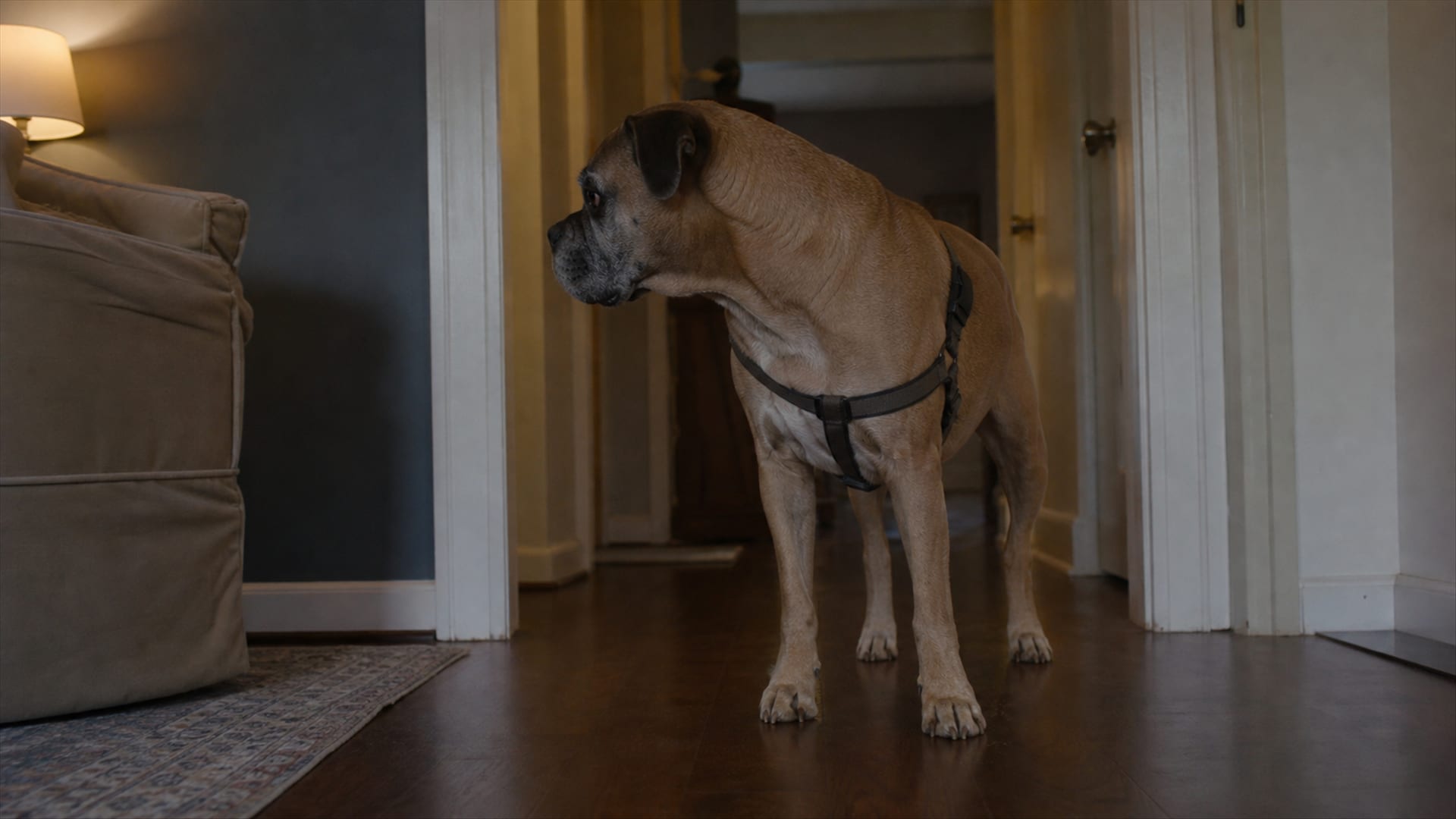
As dogs age, their personalities and behaviors can change in many ways. One troubling change that some pet owners notice is increased aggression in their previously even-tempered, friendly senior dog.
If your older dog has started growling, baring his teeth, snapping, or even biting when approached or handled, this guide will help you understand the common causesbehind this behavior shift. We’ll also explore the warning signals to watch for, plus safe and effective solutions to manage aggression in aging dogs.
Key takeaways
Hover or tap a card to bring it forward.
- Aggression arising in previously even-tempered senior dogs is commonly linked to medical origins like pain, anxiety, confusion, and brain aging.
- Watch for early body language warnings like growling and teeth baring to prevent escalation to biting.
- See your vet promptly when older dog aggression surfaces to diagnose and treat underlying physical/mental causes.
- Use behavioral modification under a specialist’s guidance paired with environmental management for safe, effective solutions.
- Remain committed to finding aggression solutions - older dogs deserve comfort, medical care, and training before considering rehoming or euthanasia.
Why Do Some Older Dogs Become Aggressive?
There are a few key reasons why senior dogs may develop aggressive behaviors, despite years of being calm and friendly pets.
Physical Pain and Discomfort
One of the most common causes of aggression in senior dogs is simply pain. As dogs age, they often develop painful medical conditions like:
- Arthritis
- Joint issues
- Dental problems
- Injuries
- Cancer
This discomfort can make them more reactive or sensitive when touched or approached. Dogs may instinctively warn away perceived threats with growling or teeth baring when they are hurting.
Age-Related Anxiety and Confusion
Along with physical decline, many older dogs undergo mental changes as well. Hearing and vision loss are common, which can leave dogs feeling confused about their surroundings and anxious being startled or approached suddenly.
Cognitive decline and even full-blown dementia are also unfortunately widespread in senior dogs, further adding to disorientation and anxiety. Separation anxiety also tends to worsen with age.
Protective Territorial Behavior
Some senior dogs become more protective of their space and resources as they age. They may show aggression around items like food, toys, or comfortable beds, or just when strangers approach their familiar home environment.
This territorial behavior relates to perceived threats to things the older dog values. As senses decline, dogs may feel a greater need to guard their space.
Dominance Issues
Dominance behavior can show up in aging dogs as well, particularly with the introduction of new pets to the household. The senior dog may become aggressive towards younger dogs, reasserting their top position.
Table 1: Medical Conditions Causing Senior Dog Aggression
Medical ConditionPrevalence in Older DogsSymptomsArthritis70%Stiffness, difficulty moving, yelping when handledDental Disease80%Bad breath, loose teeth, mouth painCancer27%Lumps, abnormal bleeding, weight lossHypothyroidism23%Hair loss, weight gain, lethargyDementia60%+ over 10 years oldConfusion, memory loss, personality changes
Recognizing Signs of Aggression in Senior Dogs
Dog aggression typically starts with subtle warning signals before escalating to actual biting and attacks. Being able to spot these early signs of aggression is extremely important for safety and effective solutions.
Early Warning Signals
- Growling: Low rumbling noises from the chest
- Teeth baring: Lips curl back showing full teeth
- Stiff body: Freezing in place, tense posture
- Direct staring: Intense gaze directly at the trigger
These behaviors communicate “back off” to avoid escalation like lunging, snapping, or biting. Heed these warnings and remove your dog from the trigger source immediately.
Escalated Aggression
- Lunging: Moving forward to bite or attack
- Snapping: Brief biting motions without contact
- Biting: Sinking teeth into human or animal skin
Once dogs progress up the biting scale to making actual physical contact, aggression becomes extremely dangerous. Reaching this point means warning signals have been ignored.
Table 2: Warning Signs of Impending Dog Aggression
Warning SignDescriptionNext Escalated BehaviorGrowlingLow, rumbling vocalizationSnapping or bitingTeeth baringLips curl back, exposing full teethBiting or attackingBody freezingTense, statue-like stanceLunging forwardStaringFixed, intense gazeBiting with no warning
What to Do About Aggression in Older Dogs
If your aging dog has started displaying aggressive behavior, taking action is critical - both for your safety and your dog’s well-being. Consider both medical and behavioral causes for this personality shift.
Rule Out Medical Reasons
The first step is veterinary exams to uncover and address any physical problems causing pain, discomfort, or confusion that may trigger aggression.
- Pain management using medication and alternative approaches
- Medications can ease dementia, anxiety, and other issues
- Physical rehabilitation also reduces discomfort
Ruling out or managing treatable medical conditions through your vet is crucial before behavioral approaches.
Professional Behavior Modification
For remaining aggression issues, consult professionals like veterinary behaviorists for tailored treatment plans.
- Obedience training builds better manners and impulse control
- Counterconditioning changes negative reactions to triggers
- Managing interactions with people, animals setting dogs up for success
Never attempt overly-forceful training measures on aggressive dogs, as this will likely worsen behavior problems. Always consult experts for humane, effective behavior modification suited specifically for your senior dog.
Make Environmental Changes
You can also make adjustments within your home to support an aggressive aging dog. This could include:
- Restrict access to aggression triggers like toys or beds
- Create safe spaces for resting and eating
- Provide puzzle toys and activities for mental stimulation
Environmental management can reduce situations provoking aggressive reactions. Combined with medical care and training, most aging dogs can overcome aggression issues and comfortably spend their golden years as cherished family pets.
Helpful Products for Managing Aggression in Senior Dogs
While professional guidance and veterinary care are crucial in addressing aggression in older dogs, certain products can support your efforts at home. These items can help create a more comfortable environment for your senior pet, potentially reducing stress and anxiety that may contribute to aggressive behaviors. Here are five recommended products that many pet owners have found beneficial when dealing with aggression in their aging canine companions:
- Thundershirt Classic Dog Anxiety Jacket: This pressure wrap can help reduce anxiety in older dogs, potentially decreasing aggressive behaviors triggered by stress or fear.
- PetSafe Gentle Leader Head Collar: A head collar can provide better control during walks, especially for larger dogs showing leash aggression or reactivity.
- KONG Senior Dog Toy: Mental stimulation is crucial for older dogs. This toy, designed for senior dogs, can help reduce boredom and anxiety that might lead to aggressive behaviors.
- Zesty Paws Senior Advanced Multivitamin for Dogs: Nutritional support can help manage some age-related issues that might contribute to aggression. This multivitamin is formulated specifically for senior dogs.
- Pet Acoustics Pet Tunes Calming Music for Dogs: Calming music can help reduce stress and anxiety in dogs. This portable speaker comes pre-loaded with music designed to soothe canines.
Remember, while these products can be helpful tools in managing your senior dog's aggression, they should be used in conjunction with professional guidance and training. Every dog is unique, and what works for one may not work for another. Always consult with your veterinarian or a professional dog behaviorist before introducing new products or techniques into your dog's routine. With patience, love, and the right combination of approaches, you can help your aging companion feel more comfortable and secure, potentially reducing aggressive behaviors and improving their quality of life in their golden years.
Further Reading on Dog Aggression
While we've focused on aggression in older dogs, understanding canine aggression in various contexts can provide valuable insights for all dog owners. To deepen your knowledge and expand your toolkit for managing aggressive behaviors, we've curated a selection of our most informative articles on the topic:
- Dog Aggression Solutions: A Complete Guide to Stopping Aggressive Behavior in Dogs
- Causes of Dog Aggression: A Revealing Exploration into the Heartfelt Struggles of Our Furry Friends
- Signs of Aggression in Dogs: How to Identify and Respond to Them for a Harmonious Home
- Dog Aggression Toward Children: Understanding the Root Causes and Effective Solutions
These articles offer comprehensive insights into various aspects of dog aggression, from identifying early signs to implementing effective solutions. Whether you're dealing with aggression in an older dog or seeking to better understand canine behavior in general, these resources provide valuable information and strategies. Remember, every dog is unique, and while these guides offer excellent starting points, professional help is often crucial in addressing serious aggression issues. Continue to educate yourself and don't hesitate to reach out to a qualified dog behaviorist or trainer for personalized guidance.
Final Thoughts
Dog aggression is a complex issue with many potential underlying causes. At DW Dog Training, our professional trainers have years of experience successfully addressing aggression issues in dogs of all ages. We use customized approaches tailored to each dog's unique situation and needs.
If your older dog has started displaying aggressive behaviors, don't delay - reach out to us today. Through hands-on training and open communication support, we can help identify your dog's triggers and modify their reactions. With consistency and positive reinforcement techniques, we empower both dogs and owners to form deeper connections built on mutual trust and respect.
The sooner any aggressive tendencies get professionally addressed, the better the outcome typically is for restoring your dog's happiness and confidence long-term.
Contact us to schedule your initial consultation. Together, we can help your dog overcome aggression problems and continue living their best years ahead with you.
Frequently Asked Questions About Dog Aggression In Older Dogs
Why has my older dog started growling and snapping at family members?
Sudden aggression from previously friendly dogs often relates to physical or mental conditions associated with aging. Schedule a veterinary visit to diagnose and manage illness, pain, sensory decline, anxiety, and brain changes that frequently prompt aggression in older dogs.
My senior dog has started biting when approached while sleeping - why?
Hearing and vision decline in many aging dogs affects their ability to be aware of surroundings and see/hear people approaching. Startling your dog while sleeping can therefore trigger fear-based biting. Announce yourself loudly before approaching sleeping senior dogs so as not to surprise them. Also, check for ear infections which may be making noises and activity more disturbing.
How do I discipline my older dog when he snarls and snaps?
Do NOT punish aggressive behavior in senior dogs. Aggression often stems from medical origins causing pain and disorientation. Identify, treat, and manage underlying physical/mental conditions through your vet rather than disciplining behavior symptoms. Even if the reasons are behavioral, aggression responds best to reward-based training, not punishment.
What’s the most effective way to curb food-biting aggression?
Resource guarding around food and toys is best managed by scheduling eating times in separate spaces. For mealtimes, give dogs “place” commands on their beds and close doors/baby gates so they focus just on eating without distraction. Structured play/feeding and limiting high-value items available reduces conflicts prompting resource protective biting.
Should I rehome my aggressive older dog or have him put down?
Before making dramatic decisions about rehoming or euthanasia, pet owners owe it to loyal senior dogs to explore solutions through veterinary and behavior care. The origins of most sudden aggressive cases in older dogs prove very manageable. Reach out to professionals and commit to an aggression treatment plan before concluding your aging dog’s issues are hopeless. With some adjustments to health care and household routines, biting behaviors usually resolve and the senior years can remain happy.